
The Real Amelia Earhart :
Swimming Across the Atlantic Ocean Solo in One Year
Introduction
The Real Amelia Earhart is a conceptual endurance challenge in which an athlete attempts to swim across the Atlantic Ocean unaided within one year. The journey would begin in Boston, Massachusetts, and end in Lisbon, Portugal, covering a total distance of 3,192 miles (5,137 km). To complete this goal, the swimmer must average 8.74 miles per day while enduring extreme weather conditions, marine wildlife threats, limited nutrition, and psychological strain.
The event takes its name from Amelia Earhart, the first woman to fly solo across the Atlantic Ocean, symbolizing empowerment and the pursuit of human limits, particularly for women in endurance sports.

Environmental Factors
Distance and Climate:
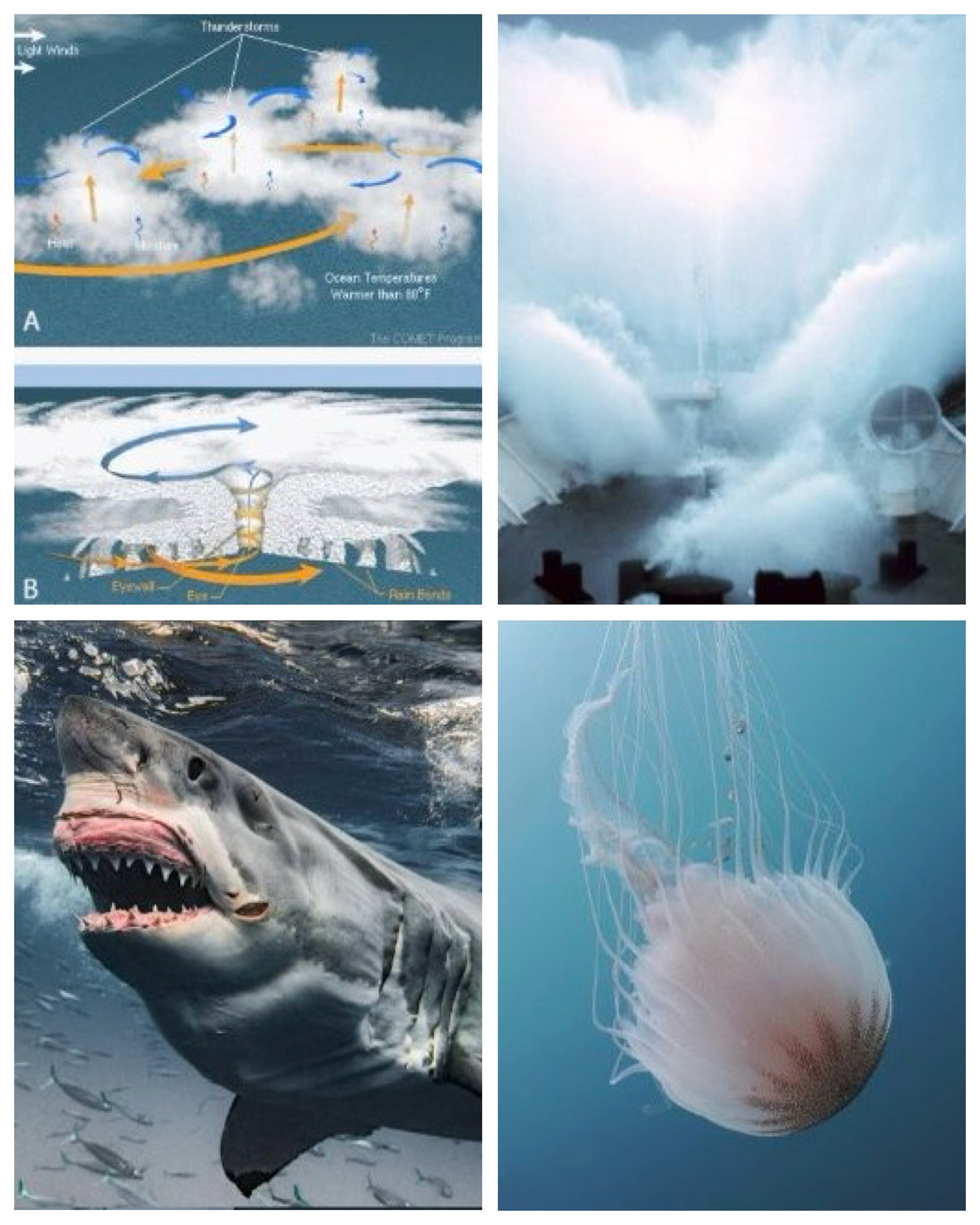
The swimmer must cross 3,192 miles of the North Atlantic, where water temperatures range from 38°F to 85°F (3–29°C) and air temperatures fluctuate between extreme cold and summer heat.
The swimmer must cross 3,192 miles of the North Atlantic, where water temperatures range from 38°F to 85°F (3–29°C) and air temperatures fluctuate between extreme cold and summer heat.
Storms and Waves:
The North Atlantic is prone to hurricanes and massive swells, with waves historically reaching over 60 feet (19 meters) in height, posing fatal risks to the swimmer.
The North Atlantic is prone to hurricanes and massive swells, with waves historically reaching over 60 feet (19 meters) in height, posing fatal risks to the swimmer.
Marine Life:
The region hosts dangerous species such as sharks, killer whales, jellyfish, and stingrays, some of which can cause severe injury or death through bites or stings.
The region hosts dangerous species such as sharks, killer whales, jellyfish, and stingrays, some of which can cause severe injury or death through bites or stings.
Performance Limitations
Energy Balance:
Based on research on long-distance swimming and Ironman triathletes, the total energy expenditure for the crossing would exceed 3.6 million kcal. Maintaining this balance over an entire year would be a major challenge.
Based on research on long-distance swimming and Ironman triathletes, the total energy expenditure for the crossing would exceed 3.6 million kcal. Maintaining this balance over an entire year would be a major challenge.
Thermoregulation and Hydration:
High temperatures can lead to plasma volume reduction and dehydration, while cold conditions risk hypothermia and decreased physical efficiency.
High temperatures can lead to plasma volume reduction and dehydration, while cold conditions risk hypothermia and decreased physical efficiency.
Core Body Temperature Maintenance:
Preventing drops in core temperature is critical, as hypothermia can lead to muscle failure, irregular heartbeat, and eventually death.
Preventing drops in core temperature is critical, as hypothermia can lead to muscle failure, irregular heartbeat, and eventually death.
Problem and Design Objective
The most crucial goal is to ensure that the swimmer has sufficient survival gear and energy support throughout the journey. This includes:
-Adequate storage for nutrition and hydration
-Protection against sharks, jellyfish, and other threats
-Systems to maintain stable body temperature
-Safety features to endure storms and extreme environments

Proposed Solution: The Ultimate Wetsuit
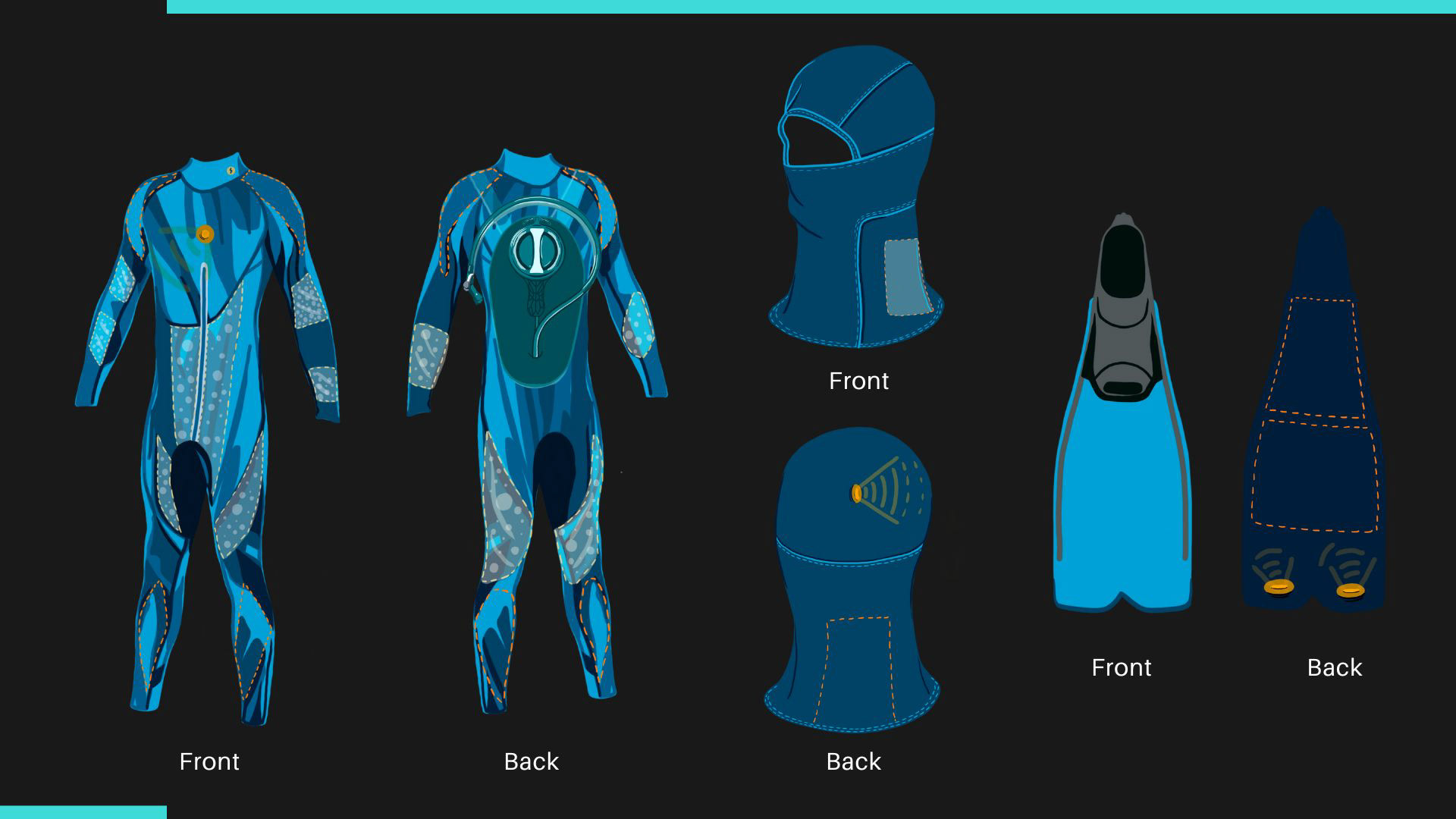
The team proposes an adaptive, intelligent wetsuit designed to meet all survival requirements during the transatlantic swim. Key features include:
Navigation and Weather Sensors:
A built-in GPS and environmental sensor system detects storms, tides, and hurricanes, adjusting swimming direction slightly to ensure safety without deviating from the route.
A built-in GPS and environmental sensor system detects storms, tides, and hurricanes, adjusting swimming direction slightly to ensure safety without deviating from the route.
Nutritional Support:
The wetsuit integrates synthetic, time-released nutrient molecules within its material—carbohydrates, proteins, and electrolytes—that diffuse through the skin over time. Additional storage pockets hold liquid nutrition packets for quick energy intake.
The wetsuit integrates synthetic, time-released nutrient molecules within its material—carbohydrates, proteins, and electrolytes—that diffuse through the skin over time. Additional storage pockets hold liquid nutrition packets for quick energy intake.
Micro Desalination System:
A lightweight, built-in filtration system removes salt and bacteria from seawater, providing continuous hydration through a connected drinking valve.
A lightweight, built-in filtration system removes salt and bacteria from seawater, providing continuous hydration through a connected drinking valve.
Temperature Regulation:
The suit features an internal thermostat located near the core to monitor and stabilize body temperature. Heating and cooling zones activate automatically to maintain thermal balance.
The suit features an internal thermostat located near the core to monitor and stabilize body temperature. Heating and cooling zones activate automatically to maintain thermal balance.
Protection from Marine Threats:
The outer surface is treated with pardaxin, a synthetic compound known to repel sharks by irritating their gills, and plankton extracts used in jellyfish-repellent lotions to block sting signals.
The wetsuit also includes low-light visibility strips and radar sensors that detect nearby predators, emitting mild electrical pulses to deter them.
The outer surface is treated with pardaxin, a synthetic compound known to repel sharks by irritating their gills, and plankton extracts used in jellyfish-repellent lotions to block sting signals.
The wetsuit also includes low-light visibility strips and radar sensors that detect nearby predators, emitting mild electrical pulses to deter them.
Validation and Iteration Plan
Testing would take place at Lake Baikal, Russia, an ideal environment for simulating both hot and cold extremes.
Participants: 12 total (6 wearing the wetsuit, 6 in control group; equal numbers of men and women, aged 25–35).
Testing Phases:
-Evaluate energy cost and endurance in moderate conditions.
-Measure core temperature retention under cold conditions.
-Assess hydration and heat management in warm conditions.
-Metrics: Core temperature, plasma volume changes, and energy expenditure.
Iteration plans include improving sensor communication, refining temperature accuracy with photonic sensors, and testing chemical stability of the pardaxin–plankton coating to ensure safety and durability.

Conclusion
The Real Amelia Earhart represents an ambitious test of human endurance and design innovation.
The project identifies three main challenges—energy balance, temperature regulation, and survival protection—and proposes a comprehensive, technology-driven wetsuit to address them.
The project identifies three main challenges—energy balance, temperature regulation, and survival protection—and proposes a comprehensive, technology-driven wetsuit to address them.
Through iterative testing and refinement, the “Ultimate Wetsuit” aims to enable an athlete to successfully swim across the Atlantic Ocean unaided. Beyond its functional value, the project serves as a metaphor for human resilience, interdisciplinary design, and the pioneering spirit inspired by Amelia Earhart herself.